Is Your Chimney Cap Failing? Key Signs It’s Time for a Replacement
When we think about protecting our homes from the elements, the roof usually gets all the attention. But right at the peak of many homes sits an unsung hero of weather protection: the chimney cap. If you live in Jacksonville, you already know how suddenly an afternoon thunderstorm can roll in. With heavy, driving rain being a regular part of our subtropical climate, keeping water out of your home is a top priority.
Unfortunately, many homeowners don't realize their chimney cap is failing until water has already made its way inside. At Impact Roofing & SheetMetal, we frequently respond to calls from residents who believe they have a major roof leak, only to discover that the culprit is actually a damaged or missing cap on their chimney. Understanding the warning signs of a damaged chimney cap can save you from costly interior damage and extensive masonry repairs down the line. Let's walk through what a chimney cap actually does, how to spot the signs of wear, and when it's time to call in a professional for a replacement.
The Crucial Role of Your Chimney Cap
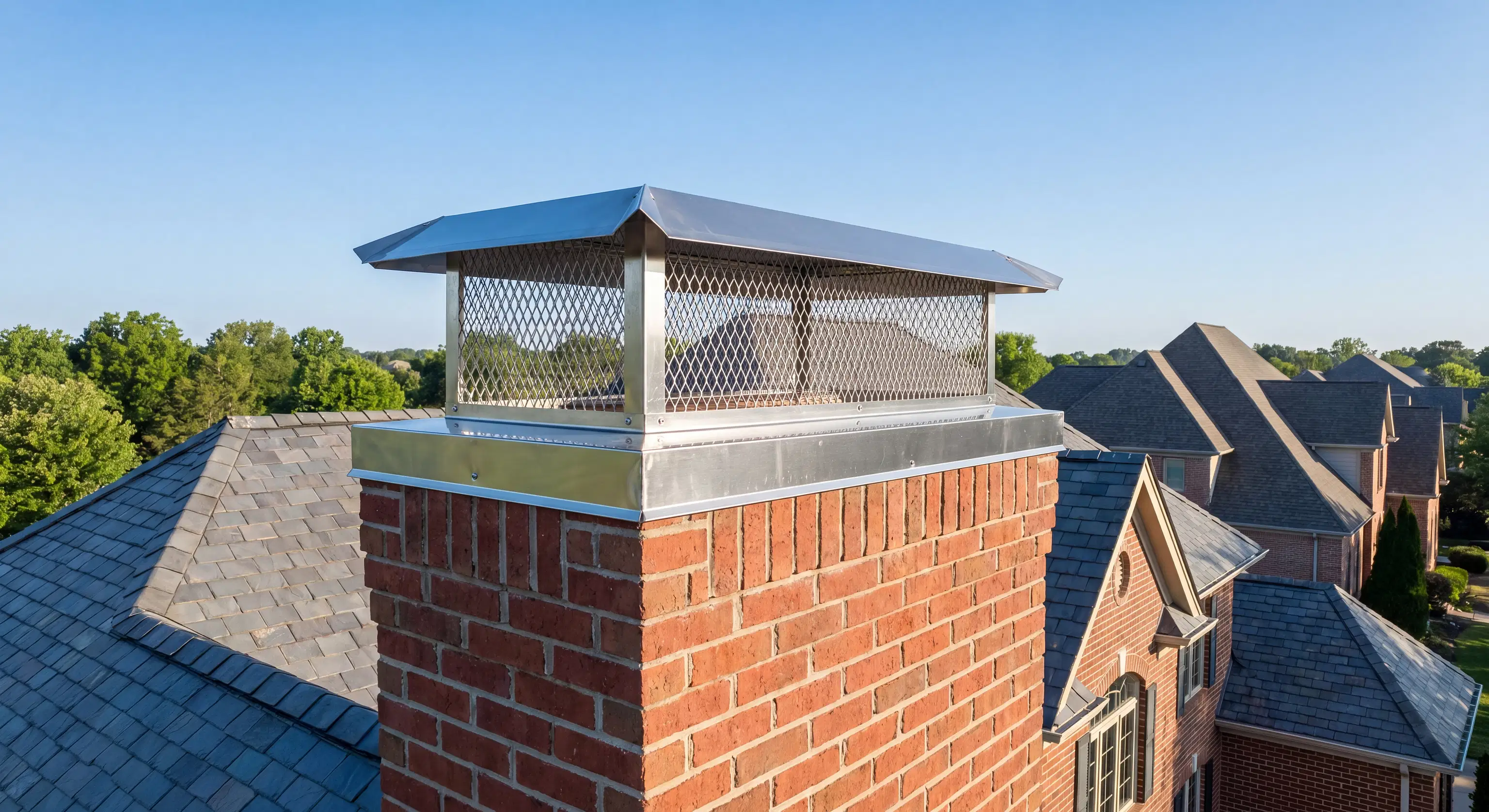
Before we dive into the signs of a damaged chimney cap, it helps to understand why this component is so vital. A chimney cap is essentially a protective lid, usually made of metal, that covers the opening of your chimney flue. Its primary job is to keep water, debris, and animals out while still allowing smoke and gases to vent safely from your fireplace.
Without a functional cap, your chimney is just an open hole on top of your house. When you are trying to figure out how to prevent chimney rain leaks, the cap is your very first line of defense. When water gets inside, it can mix with creosote to create terrible odors, rust out your damper, and deteriorate the mortar joints from the inside out.
Often, when homeowners are troubleshooting water leaks around chimney flashing, they assume the flashing itself has failed. While flashing issues are common, water pooling inside the firebox or dripping down the interior walls of the chimney often points directly to a compromised cap or a deteriorating chase cover. Knowing the difference can save you time and help you accurately describe the issue when you reach out for professional help.
Top Signs You Need a New Chimney Cap
So, how do you know if your cap has given up the ghost? Because it sits so high up, visual inspections from the ground can be tough, but there are several distinct signs you can watch for both inside and outside your home.
First, look for rust stains. If you have a prefabricated chimney with a metal chase cover, one of the most common issues is rust. Replacing rusted chimney chase covers is a frequent request we get, especially after a prolonged period of heavy rain or a tough Nor'easter. If you see reddish-brown streaks running down the outside of your chimney siding or brickwork, the metal components up top are actively corroding. Once rust eats through the metal, water has a free pass into your home.
Inside the house, pay attention to the firebox. If you hear water dripping or notice puddles in the fireplace after a storm, your cap is likely compromised. You might also notice a musty, damp smell coming from the hearth. Another telltale sign is unwanted guests. If you hear scurrying, scratching, or bird calls coming from inside your chimney, the mesh screening on your cap has likely rusted away or blown off, leaving a welcoming entrance for local wildlife.
If you suspect yours is failing, investing in high-quality chimney caps is a smart, relatively small investment that prevents massive structural issues later.
Why Custom Fabrication Makes a Difference
When it comes to replacing a failing chimney cap, off-the-shelf options from a big box store rarely provide the perfect fit or the long-term durability you need on the First Coast. Standard galvanized steel caps will eventually succumb to the salty air and intense humidity of our region, leading you right back to the same rust issues a few years down the road.
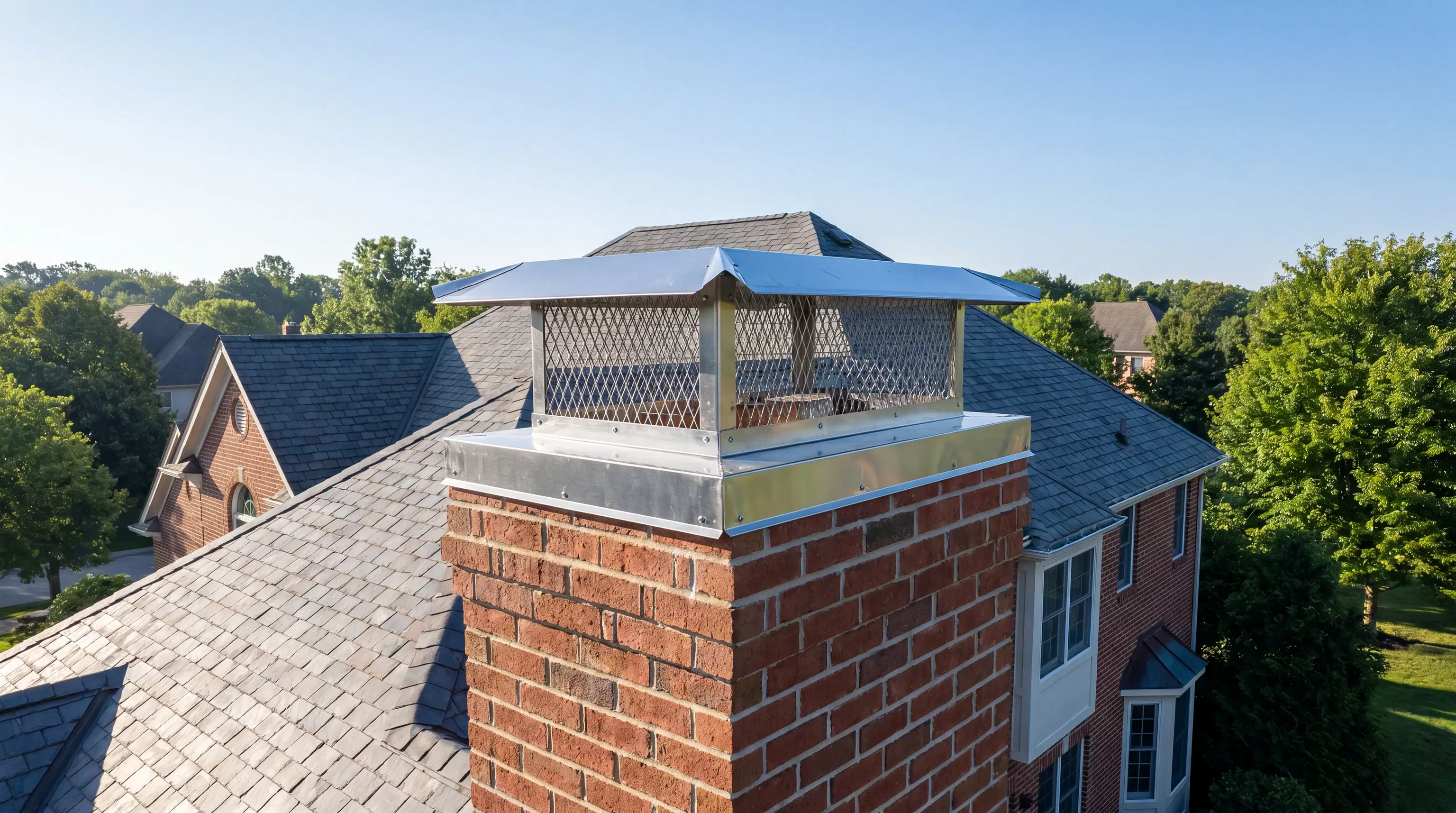
This is where custom sheet metal work truly shines. Having a cap and chase cover custom-fabricated for your specific chimney ensures a watertight fit that standard sizes simply can't guarantee. We can utilize durable materials like copper or heavy-gauge stainless steel that naturally resist corrosion and stand up to hurricane-force winds.
Furthermore, an improperly sized cap can negatively affect the draft of your fireplace, pushing smoke back into your living room. A custom solution is measured and formed specifically for your home's architecture, providing superior protection against wind-driven rain while maintaining optimal airflow.
Protect Your Home Before the Next Storm
Ignoring the early warning signs of a damaged chimney cap is a gamble. Water intrusion is one of the most destructive forces a house can face, and a compromised chimney allows that water to penetrate deep into your home's framework. It is always better to address these minor issues proactively rather than waiting for ceiling stains and rotted wood to force your hand.
If you have noticed rust stains, heard dripping, or just want the peace of mind that your home is secure, reach out to the experts at Impact Roofing & SheetMetal. We provide comprehensive roof repairs and specialty metal fabrication for homeowners throughout Duval and the surrounding communities. Don't wait for the next severe storm to test your home's defenses. Contact us today to schedule an inspection and ensure your chimney is fully protected.